
Οδοντιατρείο στην Καλαμάτα με εμφυτεύματα και αισθητική οδοντιατρική
- Καλέστε στο: +30 27210 98891
- Ωράριο:10:00 ΠΜ to 18:00 ΜΜ
Τιμές εμφυτευμάτων στην Ελλάδα και αισθητική οδοντιατρική στην Καλαμάτα
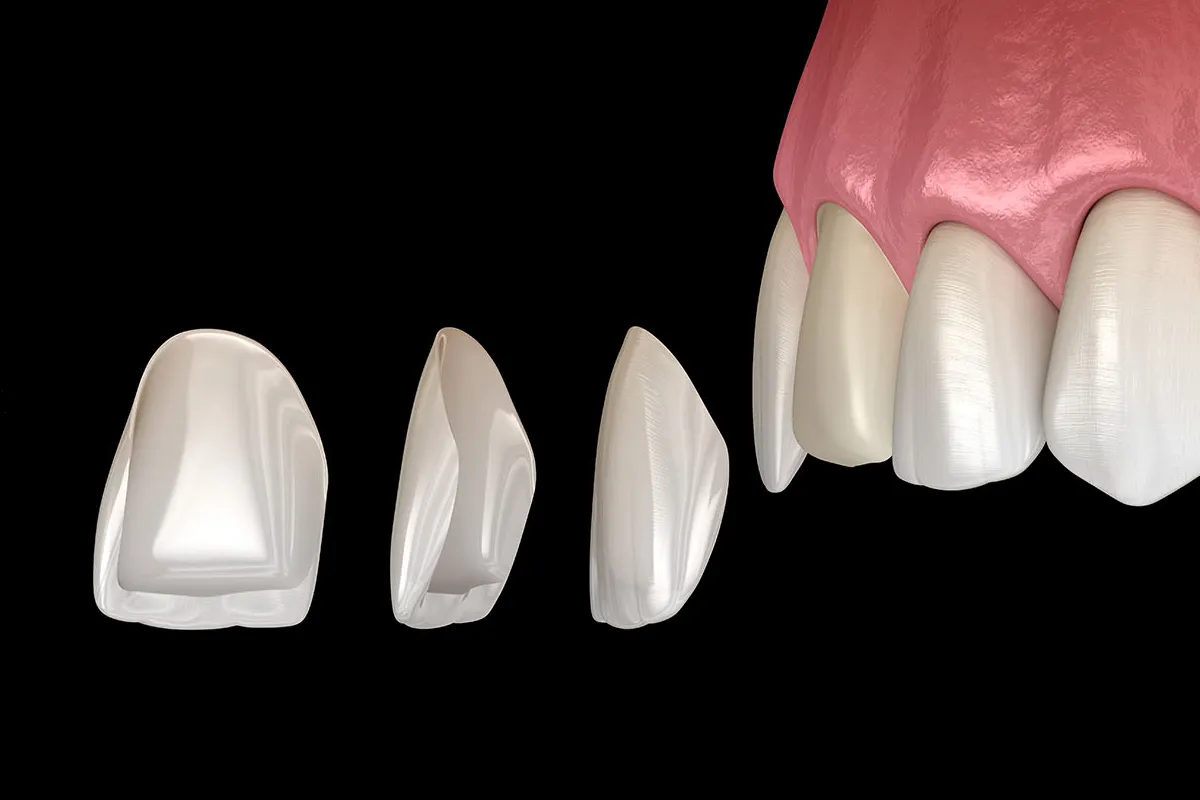
ΟΛΟΚΕΡΑΜΙΚΕΣ ΟΨΕΙΣ
Το ποσοστό των ατόμων που δεν είναι ικανοποιημένο με το χαμόγελο τους αγγίζει το 80%. Σε πολλούς από αυτούς οι ολοκεραμικές όψεις μπορούν να δώσουν τη λύση. Σε αντίθεση με τη στεφάνη, η όψη αποτελείται από μικρού πάχους πορσελάνη που συγκολλάται με ειδική επεξεργασία στα δόντια. Σε αντιπαραβολή, οι ολοκεραμικές όψεις προσφέρουν στο χαμόγελό σας ό,τι η ανανέωση των χρωμάτων στο σπίτι σας. Με τον καιρό οι τοίχοι φθείρονται και ξεθωριάζουν. Ένα απλό βάψιμο επιφέρει θαυμάσια αλλαγή. Το ίδιο ισχύει και για το χαμόγελο σας με μία ελάχιστη επιδιόρθωση της επιφάνειας των δοντιών σας..
Πως επιτυγχάνεται αυτό;
Ο οδοντίατρος μπορεί να σας παρέχει όλες τις απαραίτητες πληροφορίες για να καταλήξετε αν οι ολοκεραμικές όψεις είναι κατάλληλες για εσάς. Αυτό περιλαμβάνει τη συζήτηση σχετικά με το τι σας αρέσει και τι όχι στο χαμόγελό σας και φυσικά ποιος είναι ο στόχος σας.
Οι ολοκεραμικές όψεις μπορούν να διορθώσουν πολλά αισθητικά προβλήματα. Μπορούν να βελτιώσουν το μέγεθος, το σχήμα και το χρώμα των δοντιών. Έχουν τη δυνατότητα να κλείσουν διαστήματα μεταξύ των δοντιών, καθώς και να μακρύνουν ή να κοντύνουν τα δόντια. Για όλα αυτά απαιτείται ελάχιστο πάχος υλικού.
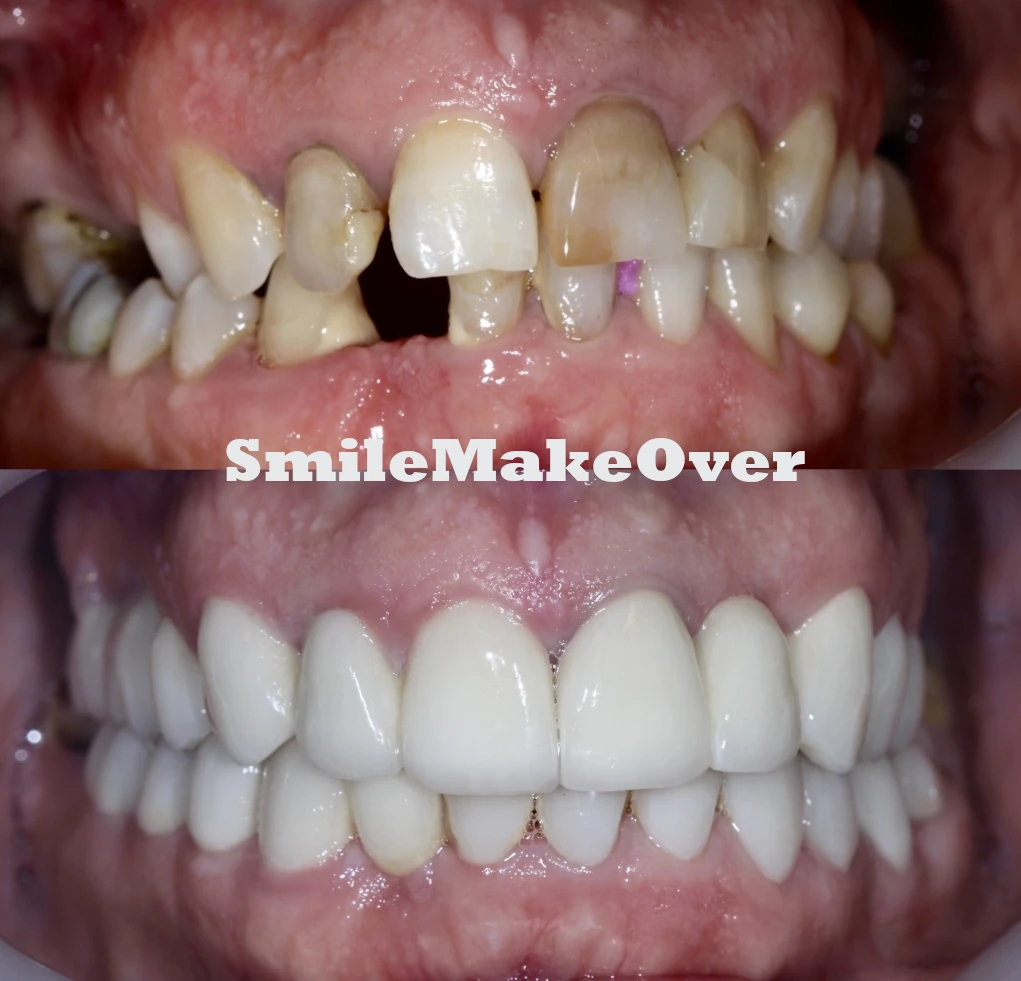
Πρέπει να τροχίσω τα δόντια μου;
Υπάρχουν δύο τύποι ολοκεραμικών όψεων:
- Συμβατικές
- Μη-Συμβατικές
Οι συμβατικές όψεις είναι οι πιο διαδεδομένες. Ο οδοντίατρος αφαιρεί μικρή ποσότητα αδαμαντίνης από την επιφάνεια του δοντιού για να δημιουργήσει χώρο για την όψη. Οι μη συμβατικές όψεις δεν απαιτούν καθόλου αφαίρεση οδοντικής ουσίας. Αυτές οι ελάχιστου πάχους όψεις συγκολλούνται στην υπάρχουσα αδαμαντίνη. Εντούτοις, υπάρχουν περιορισμοί σ’ αυτή την τεχνική. Ο οδοντίατρος θα σας βοηθήσει να αποφασίσετε ποιος τύπος ή συνδυασμός αυτών είναι κατάλληλος για εσάς.
Είναι οι όψεις πορσελάνης κατάλληλες για εμένα;
Οι όψεις πορσελάνης μπορεί να είναι κατάλληλες αν θέλετε να βελτιώσετε χρώμα, σχήμα, μέγεθος ή μικρά κενά στα δόντια.
© 2026 Smile Make Over 4U – Dental Clinic in Kalamata, created by Health Digital Studio