
Οδοντιατρείο στην Καλαμάτα με εμφυτεύματα και αισθητική οδοντιατρική
- Καλέστε στο: +30 27210 98891
- Ωράριο:10:00 ΠΜ to 18:00 ΜΜ
Τιμές εμφυτευμάτων στην Ελλάδα και αισθητική οδοντιατρική στην Καλαμάτα
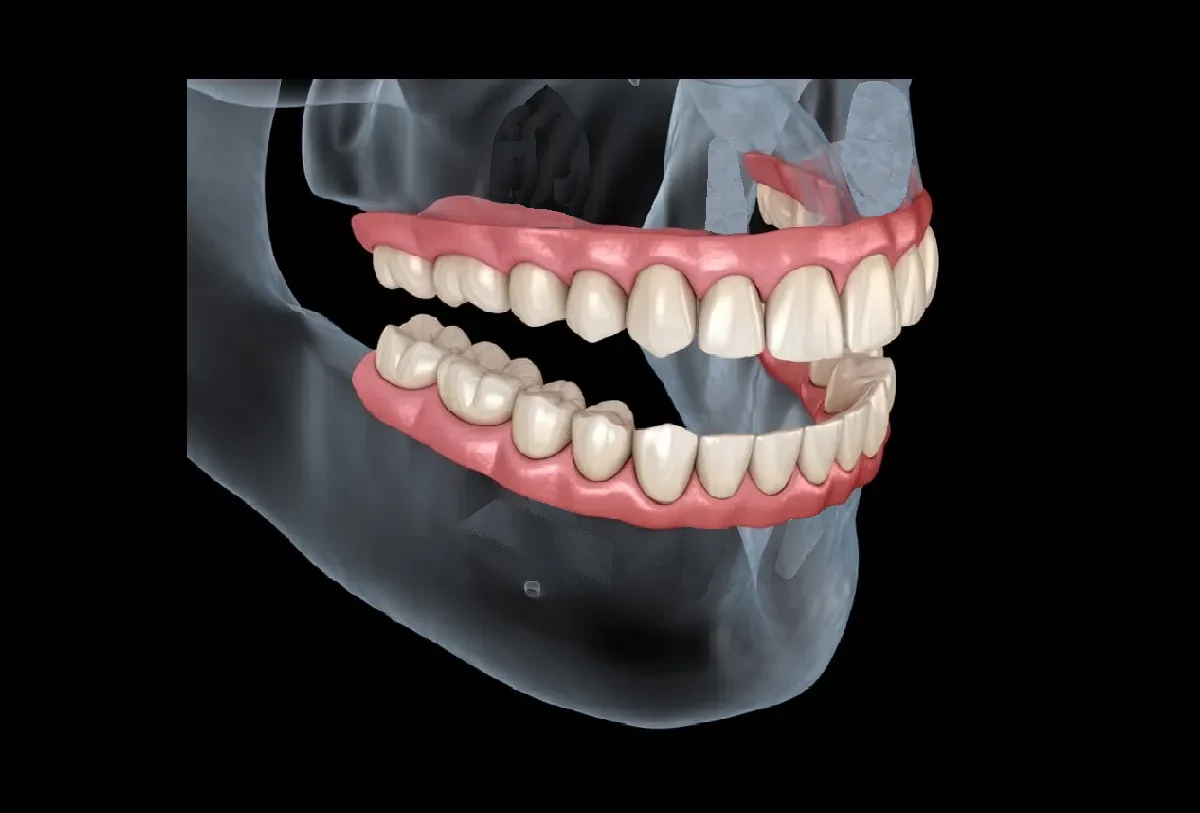
Ολική Αποκατάσταση Στόματος
Η ολική αποκατάσταση στόματος αναφέρεται σε έναν συνδυασμό διαφόρων οδοντιατρικών θεραπειών και διαδικασιών που πραγματοποιούνται με την πάροδο του χρόνου για τη διόρθωση μιας μεγάλης ποικιλίας οδοντιατρικών προβλημάτων και την αναδόμηση υγιών χαμόγελων. Ως μια αποκαταστατική προσέγγιση, η ολική αποκατάσταση στόματος δεν στοχεύει μόνο στην επαναφορά του χαμόγελου, αλλά και στη βελτίωση της λειτουργίας, ενισχύοντας παράλληλα την στοματική υγεία και τη δομή των δοντιών, καλύπτοντας τόσο τα άνω όσο και τα κάτω δόντια.
Ενδείξεις για Ολική Αποκατάσταση Στόματος:
- Ορισμένες οδοντιατρικές καταστάσεις που δεν έχουν αντιμετωπιστεί ή έχουν αντιμετωπιστεί λανθασμένα.
- Συγγενείς ανωμαλίες που επηρεάζουν το σχηματισμό του σμάλτου.
- Υπερβολική φθορά των δοντιών, παρατεταμένη τριβή ή διάβρωση δοντιών όταν τα δόντια αρχίζουν να χάνουν το σμάλτο.
- Παρατεταμένη κακή στοματική υγιεινή με πολλαπλά επηρεασμένα δόντια.
- Τρίξιμο δοντιών τη νύχτα (βρουξισμός ύπνου) που προκαλεί πόνο ή δυσφορία στο στόμα, στη γνάθο και στους μυς του προσώπου.
Πλεονεκτήματα της ολικής αποκατάστασης στόματος στην κλινική μας:
Η ολική αποκατάσταση στόματος προσφέρει μια ολιστική προσέγγιση στην οδοντιατρική φροντίδα, παρέχοντας πλήθος πλεονεκτημάτων σε άτομα που αναζητούν ολοκληρωμένες λύσεις. Αυτή η ολοκληρωμένη θεραπεία αντιμετωπίζει ταυτόχρονα διάφορα οδοντιατρικά προβλήματα, από την ανακούφιση του πόνου που σχετίζεται με την τερηδόνα ή τις παθήσεις των ούλων μέχρι τη βελτίωση βασικών λειτουργιών όπως η μάσηση και το κόψιμο. Πέρα από τη λειτουργικότητα, δίνει έμφαση στην αισθητική βελτίωση, ενισχύοντας την αυτοπεποίθηση μέσα από ένα όμορφο χαμόγελο. Η ολική αποκατάσταση στόματος δεν αφορά μόνο την άμεση ανακούφιση· στοχεύει επίσης στην πρόληψη περαιτέρω βλαβών, προσφέροντας μακροχρόνια αντοχή με εξατομικευμένα και προσαρμοσμένα θεραπευτικά πλάνα. Προωθώντας τη λειτουργική αρμονία μεταξύ δοντιών, κροταφογναθικών αρθρώσεων και μυών του προσώπου, συμβάλλει σε μια βελτιωμένη ποιότητα ζωής. Τελικά, η ολική αποκατάσταση στόματος υπερβαίνει τις αισθητικές βελτιώσεις, προσφέροντας μια πλήρη και ολοκληρωμένη λύση σε ποικίλα οδοντιατρικά προβλήματα.
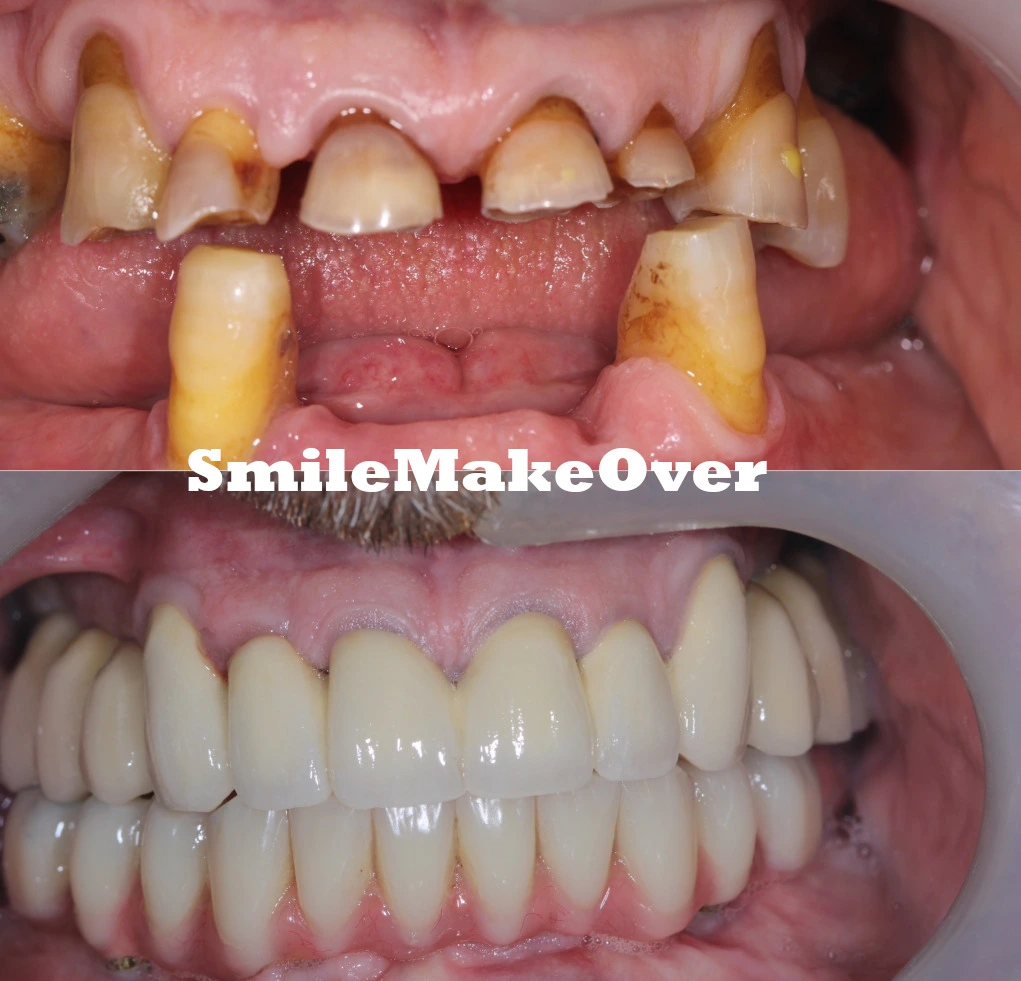
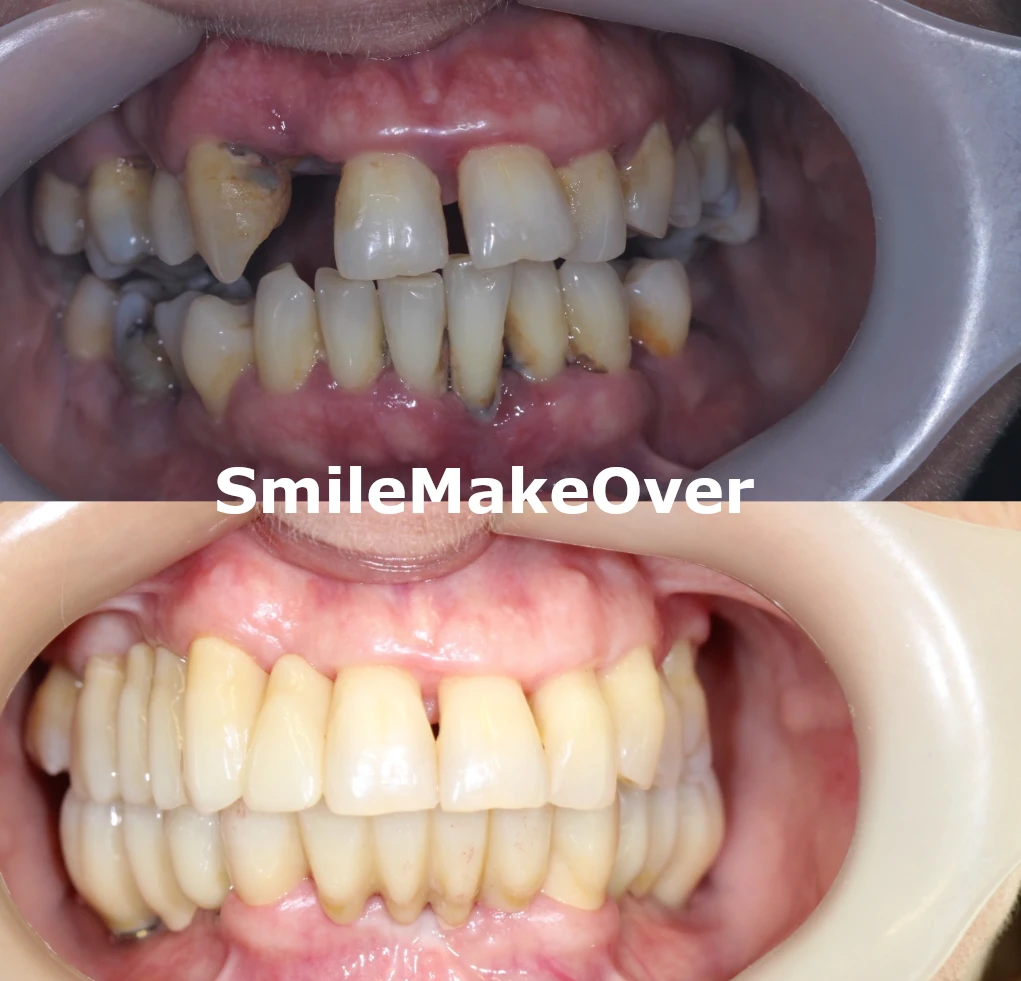
Στάδια Ολικής Αποκατάστασης Στόματος στην κλινική μας:
- Ολοκληρωμένη Εξέταση και Διάγνωση:
- Εκτενής εξέταση της στοματικής υγείας, ψηφιακή απεικόνιση, ακτινογραφίες και ψηφιακά αποτυπώματα για την εκτίμηση της έκτασης της βλάβης και τον σχεδιασμό της θεραπείας.
- Ψηφιακή απεικόνιση, ακτινογραφίες και αποτυπώματα για την εκτίμηση της έκτασης της βλάβης και τον σχεδιασμό της θεραπείας.
- Σχεδιασμός Θεραπείας:
- Ανάπτυξη εξατομικευμένου θεραπευτικού πλάνου που αντιμετωπίζει τα αναγνωρισμένα προβλήματα και τους στόχους του ασθενούς.
- Αρχικό Στάδιο – Έλεγχος Παθήσεων:
- Διαχείριση υπαρχόντων οδοντιατρικών προβλημάτων για τη δημιουργία υγιούς βάσης.
- Αποκαταστατικές Διαδικασίες:
- Εφαρμογή των απαραίτητων αποκαταστάσεων, όπως εμφράξεις, στεφάνες, γέφυρες ή οδοντικά εμφυτεύματα, για την επισκευή των κατεστραμμένων δοντιών.
- Αντικατάσταση των χαμένων δοντιών για την αποκατάσταση της λειτουργικότητας και της αισθητικής.
- Ορθοδοντικές Εξετάσεις:
- Σε ορισμένες περιπτώσεις, μπορεί να ενσωματωθεί ορθοδοντική θεραπεία για τη διόρθωση προβλημάτων σύγκλεισης και τη διασφάλιση σωστής ευθυγράμμισης των δοντιών.
- Αξιολόγηση Κροταφογναθικής Άρθρωσης (ΚΓΑ):
- Αξιολόγηση της υγείας και της λειτουργίας της κροταφογναθικής άρθρωσης για τη βελτίωση της λειτουργίας της γνάθου και των μυών.
- Αισθητικές Βελτιώσεις:
- Ενσωμάτωση αισθητικών οδοντιατρικών διαδικασιών, όπως λεύκανση, όψεις ή συγκόλληση, για την ενίσχυση της αισθητικής του χαμόγελου.
- Προσωρινές Αποκαταστάσεις:
- Τοποθέτηση προσωρινών αποκαταστάσεων για τη διασφάλιση λειτουργικότητας και προστασίας, ενώ κατασκευάζονται οι τελικές αποκαταστάσεις.
- Ολοκλήρωση και Ρύθμιση:
- Παράδοση των τελικών αποκαταστάσεων (όψεις, στεφάνες, προσθετικά σε εμφυτεύματα), διασφαλίζοντας σωστή εφαρμογή, άνεση και λειτουργικότητα.
- Ρύθμιση της σύγκλεισης για βελτιστοποίηση της λειτουργίας και πρόληψη μελλοντικών προβλημάτων.
- Παρακολούθηση και Συντήρηση:
- Ραντεβού παρακολούθησης μετά τη θεραπεία για την αξιολόγηση της επούλωσης και την αντιμετώπιση τυχόν προβλημάτων.
- Σχέδιο συντήρησης, που περιλαμβάνει τακτικούς οδοντιατρικούς ελέγχους και καθαρισμούς, για τη διατήρηση των αποτελεσμάτων της πλήρους στοματικής αποκατάστασης.
© 2026 Smile Make Over 4U – Dental Clinic in Kalamata. Κατασκευή ιστοσελίδας από το Health Digital Studio