
Οστικά Μοσχεύματα
Όταν ένα δόντι χαθεί, η οστική απορρόφηση ακολουθεί. Η περιοδοντίτιδα και το τραύμα μπορούν να προκαλέσουν απορρόφηση. Τα οστικά μοσχεύματα είναι μια θεραπεία ανακατασκευής χαμένου οστικού όγκου μέσω χειρουργικών τεχνικών και βιοϋλικών. Πρόκειται για μια σημαντική διαδικασία καθοδηγούμενης ανάπλασης- GBR που απαιτείται σε απλά, πολύπλοκα ή αισθητικά απαιτητικά περιστατικά.Η καθοδηγούμενη οστική αναγέννηση μέσω βιοϋλικών αποτελεί μία σύγχρονη προσέγγιση αποκατάστασης οστικών ελλειμάτων με τη χρήση κυρίως ξενομοσχευμάτων/ αλλομοσχευμάτων. Η διαδικασία είναι λιγότερο επεμβατική απ΄ ότι παλιότερα αφού δεν πραγματοποιείται δεύτερο χειρουργείο για τη λήψη μοσχεύματος από τον ίδιο τον ασθενή. Συνεπώς η εξέλιξη της τεχνολογίας και των βιοϋλικών εξασφαλίζει μία προβλέψιμη διαδικασία ανακατασκευής της οστικής ακρολοφίας σε απλές ή σύνθετες περιπτώσεις με λιγότερο πόνο και τραύμα για τον ασθενή.
Αυτομοσχεύματα
Τι είναι το οστικό αυτομόσχευμα από τη γωνία του κλάδου ή από το πιγούνι (Ramus/Chin graft);
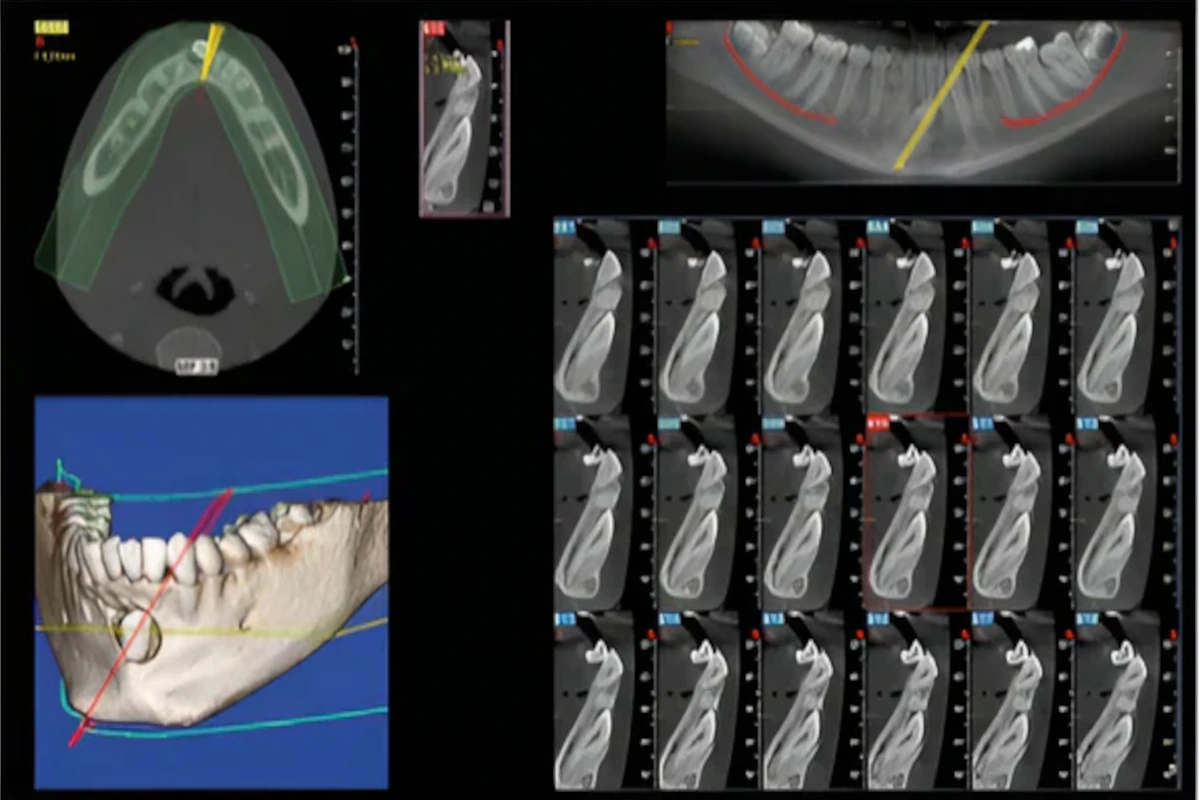
Αυτό το είδος μοσχεύματος ενδείκνυται κυρίως για κάθετες οστικές ελλείψεις όταν εμφυτεύματα πρόκειται να τοποθετηθούν και σε περίπτωση που το υπάρχον οστό κρίνεται ανεπαρκές. Μικρά blocks (κομμάτια) λαμβάνονται από το πιγούνι ή τη γωνία της κάτω γνάθου ενδοστοματικά και στις δυο περιπτώσεις.Τα οστικά blocks σταθεροποιούνται στη δέκτρια περιοχή μέσω μικρών βιδών τιτανίου μέχρι να πραγματοποιηθεί η ενσωμάτωση του μοσχεύματος στο υποκείμενο οστό (συνήθως 3-4 μήνες). Έπειτα τα ούλα συρράβονται και το μόσχευμα καλύπτεται εξολοκλήρου καθ’ όλη τη διάρκεια της επούλωσης.
Πότε θα με ξαναδείτε μετά το μόσχευμα;
Συνήθως η πρώτη επίσκεψη μετά την επέμβαση τοποθετείται 1 εβδομάδα με 10 ημέρες αργότερα οπότε και τα ράμματα αφαιρούνται, ελέγχεται η επούλωση και προγραμματίζεται το επόμενο ραντεβού συνήθως 3-5 μήνες αργότερα για την τοποθέτηση των εμφυτευμάτων. Ο χρόνος αναμονής είναι κρίσιμος διότι σε περίπτωση περαιτέρω αναμονής το οστικό μόσχευμα αρχίζει να απορροφάται ξανά.
Sinuslift – Ανύψωση ιγμορείου
Το ιγμόρειο βρίσκεται πίσω από τα μάγουλα και πάνω από τα πίσω πάνω δόντια. Παρομοιάζεται με ένα άδειο δωμάτιο. Κάποιες ρίζες των πάνω δοντιών κατά κάποιο τρόπο εισχωρούν μέσα στην κοιλότητα του ιγμορείου και όταν χαθούν παραμένει συνήθως ένα λεπτό οστικό τοίχωμα να διαχωρίζει το στόμα και το ιγμόρειο. Τα οδοντικά εμφυτεύματα τοποθετούνται στο οστό και όταν αυτό κάτω από το ιγμόρειο υπολείπεται η τοποθέτηση τους είναι αδύνατη. Η λύση είναι μια επέμβαση γνωστή ως ανόρθωση ιγμορείου (sinus lift). Η είσοδος στο ιγμόρειο πραγματοποιείται πάνω από το σημείο όπου τα δόντια υπήρχαν στο παρελθόν. Η μεμβράνη τότε ανασηκώνεται προς τα πάνω μέσω της οστικής οπής που δημιουργείται και το οστικό μόσχευμα τοποθετείται στο έδαφος του ιγμορείου, αποτελώντας το νέο υπόβαθρο τοποθέτησης εμφυτευμάτων. Ο χρόνος αναμονής πριν την τοποθέτηση είναι συνήθως 3-8 μήνες. Εάν αρκετό υπολειμματικό οστό υπάρχει πριν την ανόρθωση αλλά η διαδικασία ανόρθωσης κρίνεται ακόμα αναγκαία τα εμφυτεύματα και η ανόρθωση μπορεί να συμβούν ταυτόχρονα ως μια μόνο διαδικασία με εξωτερική (διάνοιξη οστικού παραθύρου) ή και εσωτερική προσέγγιση (χωρίς διάνοιξη οστικού παραθύρου).